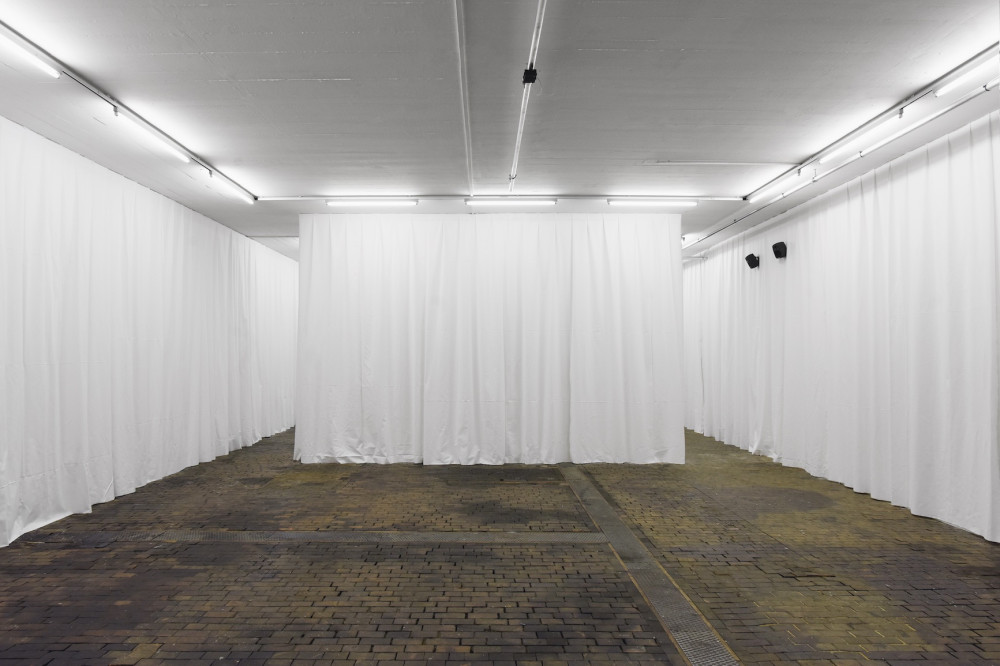
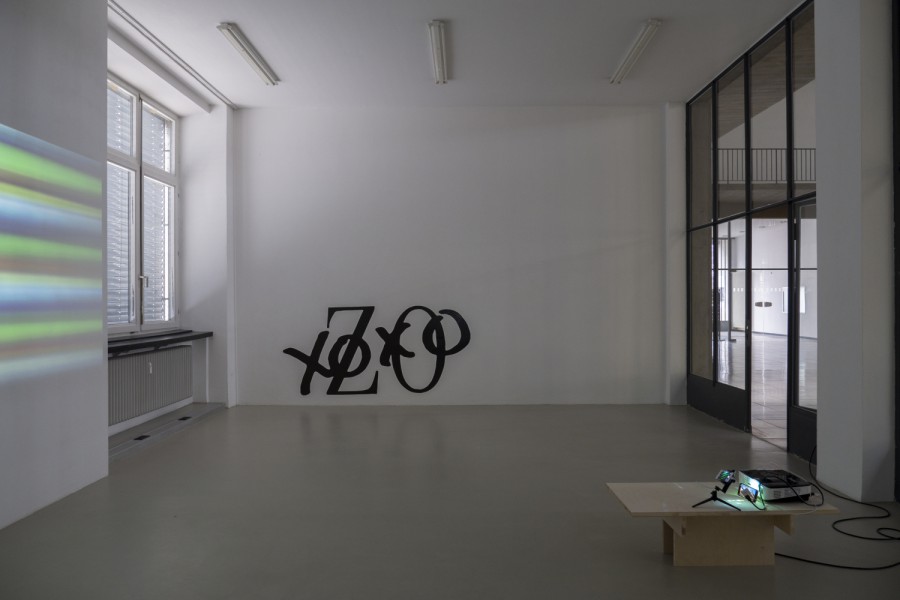
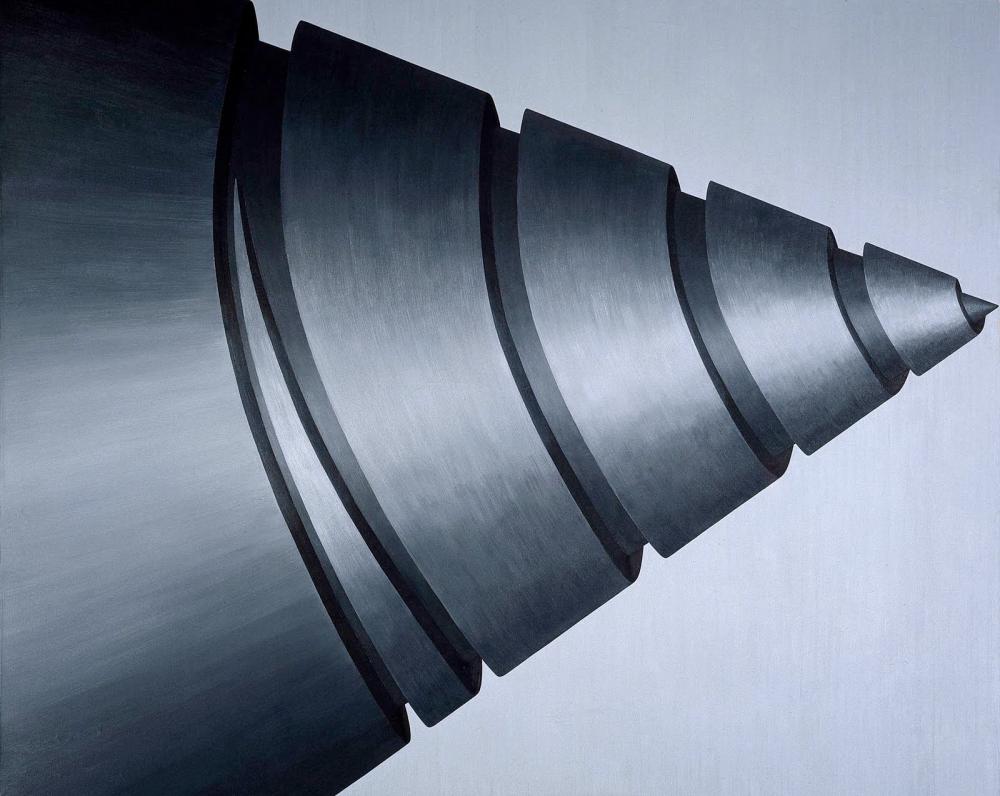
Au Centre d'Art Contemporain Genève, Hannah Weinberger abandonne les spectateurs à eux-mêmes dans une exposition en trois séquences, débutant dès le hall d'entrée. Ses interventions sont concises et denses, et reposent sur un dispositif infrarouge réagissant à la présence du public, l'entraînant dans un échange déconcertant mais vivifiant.
Die Shedhalle Zürich ist im Moment in einer Übergangsphase. Das interimistische Kuratorium versucht mit partizipativen Anordnungen, Gesprächsrunden und Umordnungen, die Institution neu zu denken und für die Zukunft zu entwerfen. Anfang der 1990er Jahre kam es schon einmal zu einer grundlegenden Neuorientierung. In einem ebenfalls partizipativ angelegten Prozess entwickelte der damalige Shedhalle-Vorstand ein neues Betriebskonzept. Dieses Konzept war der Anfang der dann 1994 einsetzenden, dezidiert gesellschaftspolitischen Ausrichtung.
Spätestens nach dem Umbau 2012 traten im Löwenbräukunst Zürich einige grundlegende Widersprüche offen zu Tage. Die einst vielversprechende Allianz aus Kunsthandel, Grosskapital und öffentlicher Hand wird dem Kunstkonglomerat in jüngster Zeit zunehmend zum Verhängnis. Aber auch die am See, mitten im Kulturzentrum Rote Fabrik, gelegene Shedhalle Zürich steckt seit Längerem in einer Orientierungskrise. Genau diese beiden Kunstorte, das Löwenbräu-Areal und die Shedhalle, bildeten die zwei, markantesten Pole einer sich in den 1990er Jahren internationalisierenden und boomenden Zürcher Kunstszene. Dieser Artikel bildet den Auftakt zu einem Fokus, in dem wir die aktuelle Krisenstimmung im Löwenbräukunst und in der Shedhalle zum Anlass nehmen, auf die 1990er Jahre in Zürich zurückzuschauen und uns gleichzeitig zu fragen, wie sich die Bedingungen heute verändert haben.
It would be an oversimplification to describe Diamond Stingily as ‹honest›: what else can a contemporary American artist who is young and an individual be? Stingily’s meditation on the function of her chosen everyday (often found) objects gave way to a show primarily about memory (demographic and individual). It is witty and sobering, at times uncanny, but never lacking in candor. In the palatial Kunstverein, the observant artist constructs a temporal and local critique of class in America with the gaze of a woman who was once a child.
The question posed by this column (which single work of a mega exhibition may capture best its overall idea?) is particularly challenging for the Venice Biennial – not just because of the urge to not comply with the lion share of visibility/capital and to not take sides for any of the by now more nostalgically embraced rather than officially dubious nationalist propaganda. The challenge, according to curator and critic Julia Moritz, is to look at the international group exhibition from a point of no return, the point of view of the one work – not necessarily the best work – that captures the exhibition «May You Live in Interesting Times» most poignantly, regarding its response to the location and context, for whatever that’s worth.
Provence talks to those behind in-house art magazines, to gauge the changing relationship the industry has with print. Art world versus art industry. It’s definitely an industry, not a world. Get the difference? Read what Lionel Bovier, director of MAMCO, Geneva, and Hauser & Wirth’s Randy Kennedy, have to say about their new, shiny magazines.
Criticism serves a multitude of functions within the sphere of art—from being a tool for evaluation, to an active co-producer. Some artists have had uneasy relationships with their critics, while others have embraced critique as an artistic discipline in its own right. Over the course of the summer, PROVENCE reached out to an array of artists and writers, asking what role criticism plays today. The following manuscript queries how the format of the contemporary review can be challenged.
Glauben und Aberglauben, Abschied und Begrüssung, Häme und Hysterie verweben sich zu einem Szenario, das apokalyptische Züge trägt. Das folgende ist ein Wiederabdruck von Peter Wächtlers Kurzgeschichte Münster – A Giant’s Tale. Ursprünglich entstand dieser Text für ein Video, welches Peter Wächtler für den Westfälischen Kunstverein produzierte. Zu einer animierten Zeichnung eines Zauberers liest Wächtler selbst diesen Text.
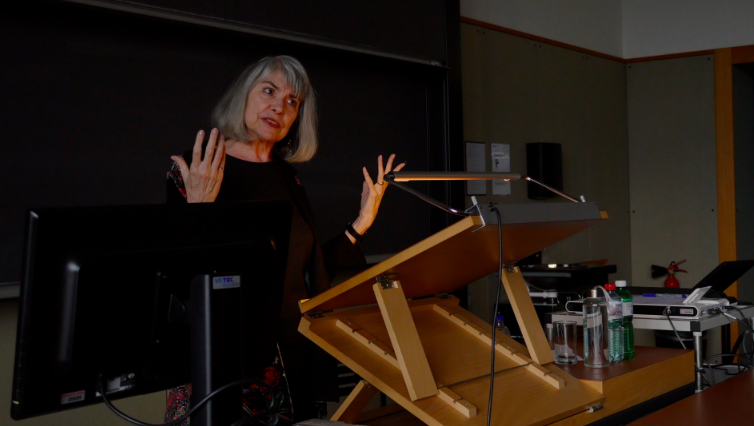
Apocalypse After All? asks the American philosopher and theologian Catherine Keller. The revised manuscript of her lecture at the University of Zürich sets forth Keller’s «ecofeminist theopoetics» combining ecological and gender politics, process cosmology, post-structuralist philosophy and religious pluralism.
In seiner Einzelausstellung 25 OCTOBER, 2015 — 12 MAY, 2019 im Kunstverein Nürnberg stellt Jason Hirata mit einer Geste der Übernahme etablierte Hierarchien und die Prinzipien von Urheber- und Autorschaft in Frage. Aber wie gut funktioniert diese Systemkritik von innen?
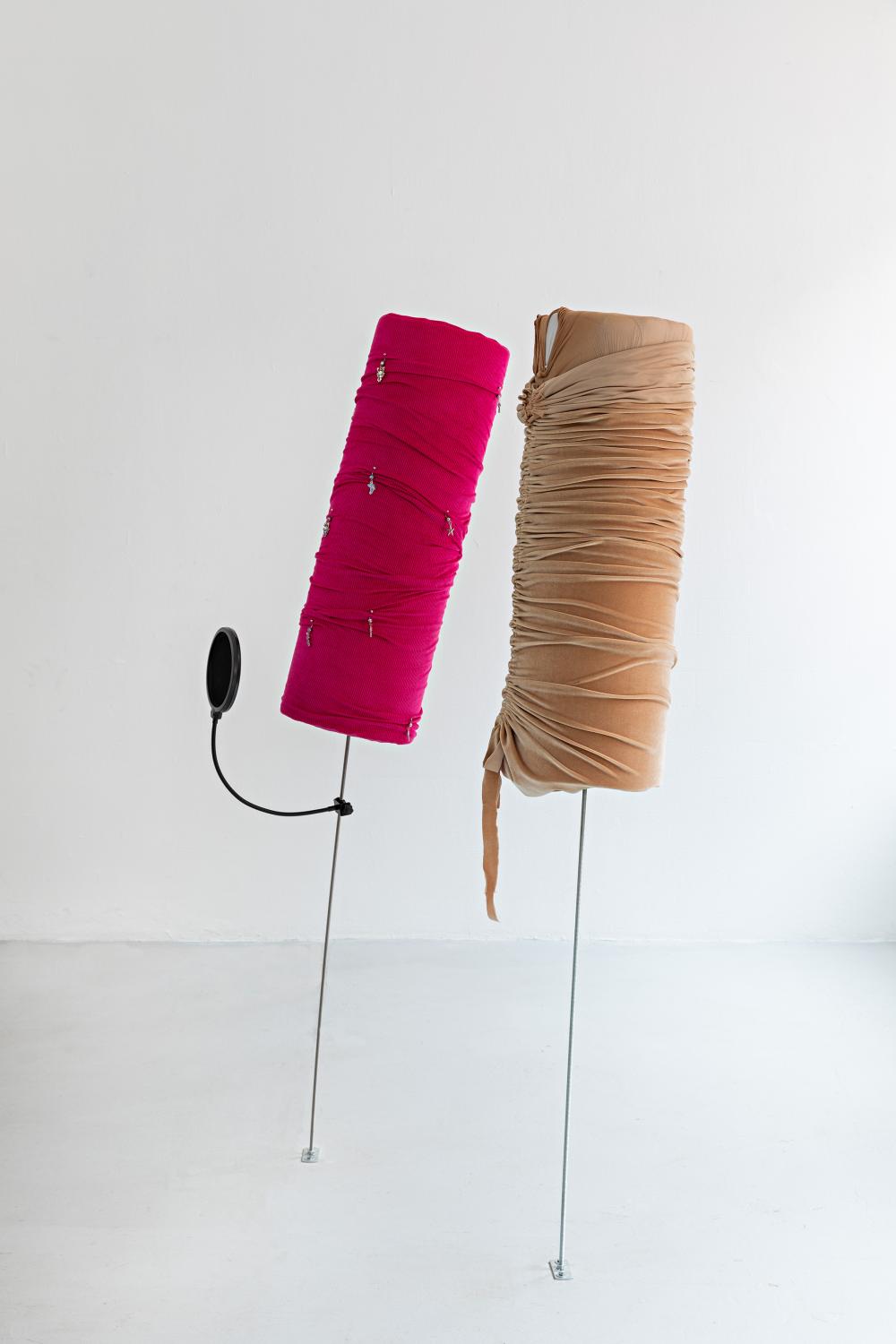
In ihrer zweiten institutionellen Einzelausstellung in der Halle für Kunst Lüneburg (18. Januar – 29. März 2019) zeigt Daphne Ahlers, dass Weichheit alles andere als eine Schwäche darstellt. Insbesondere die Kodierung der verwendeten Textilien macht Die Langstreckensängerin in der Halle für Kunst Lüneburg zu einer vielseitig ausdeutbaren Auseinandersetzung mit Geschlechterzuordnungen und Körperlichkeit.
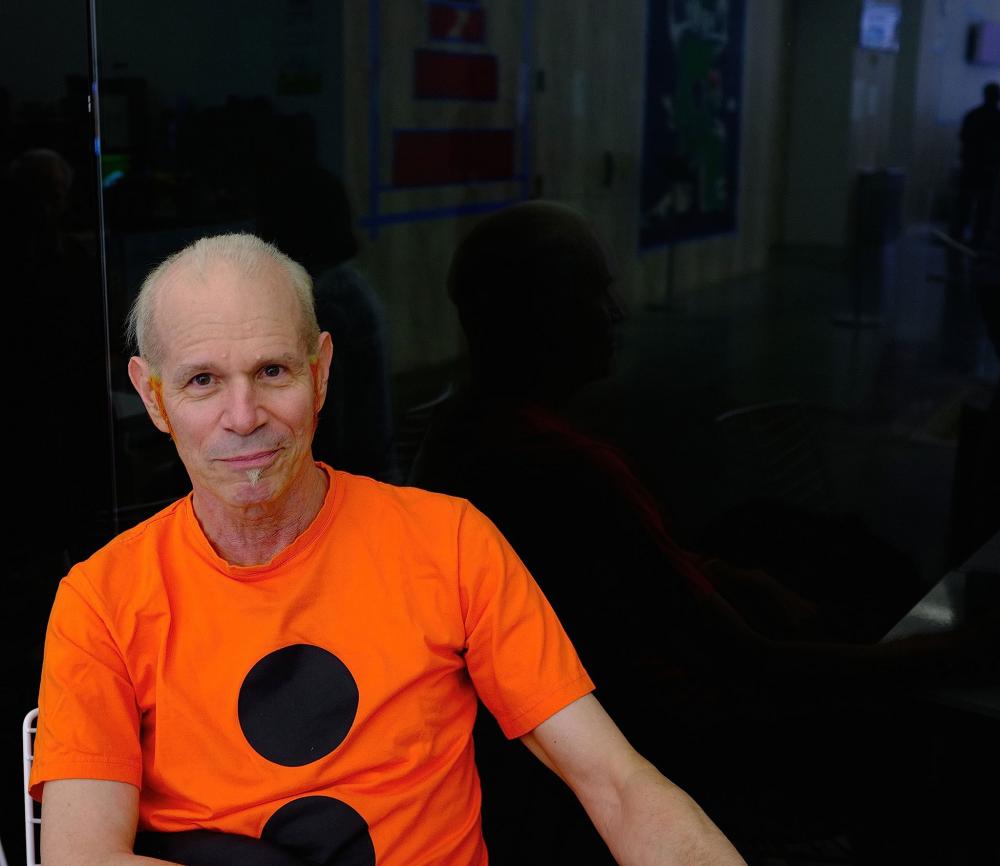
The following conversation took place in New York on May 19th 2018 with loose ends recently tied. The original transcript was much longer. We nerded over mathematics, technology and gay politics, scrambling about on fun tangents. One could define these tangents as frivolous and furthermore position «frivolous» as having a particular anglo gay tone. This tone carries into the varying roles Charles takes as an artist. One role he recently took was creating the exhibition design for the Robert Rauschenberg retrospective Among Friends, at MoMA New York. His practice refuses a stable single categorization drawing on community and collaboration while sitting on the periphery of portraiture and media. Atlas’ position is outside of and in conversation with experimentation and improvisation, the live event and immersive environment. The freedom he takes radiates otherness and he has continuously placed himself at the forefront of new technologies, multi-screen installations, and live video mixing.
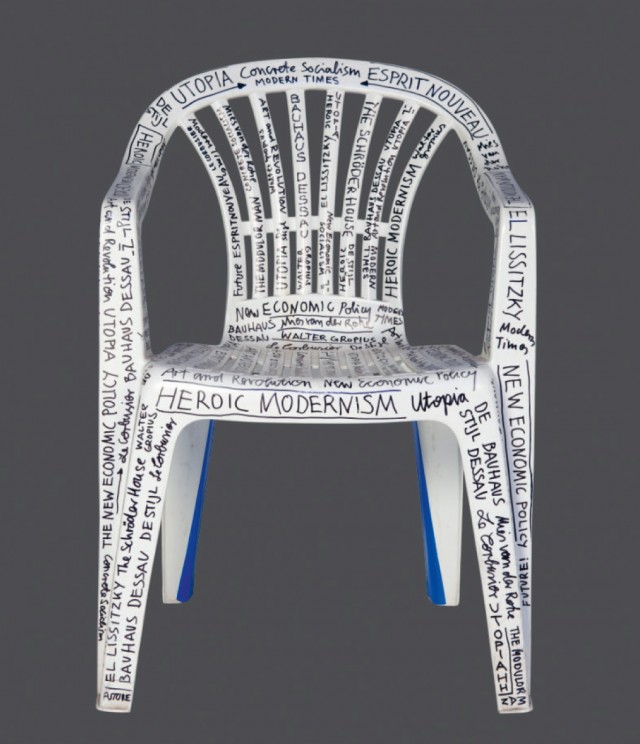
2019 jährt sich die Gründung des Bauhauses zum einhundertsten Mal. Die universalistischen Programme der Moderne werden dabei noch einmal kritisch auf ihre Gegenwartstauglichkeit geprüft – in Design, Architektur und Kunst.
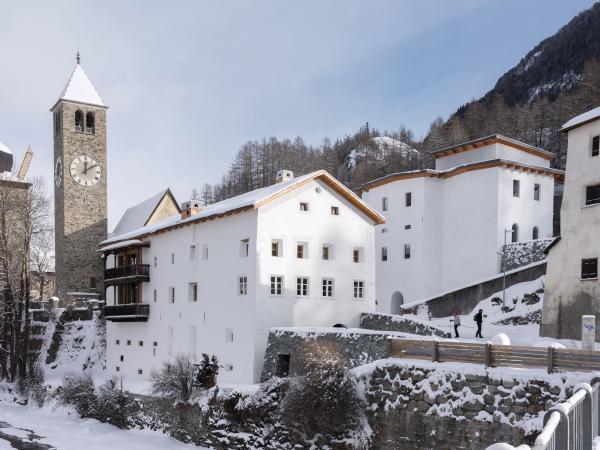
The Engadin village of Susch has a new museum. No, Grażyna Kulczyk has a new museum. Or do female artists have a new museum? Or Polish artists? The Muzeum Susch was launched to ring out 2018; by the 2nd of January 2019 it was open to the public. To what public? The Muzeum Susch poses a dilemma for would-be critics as it draws the issues of private museums into sharp focus, while at the same time demonstrating the freedoms such institutions enjoy.
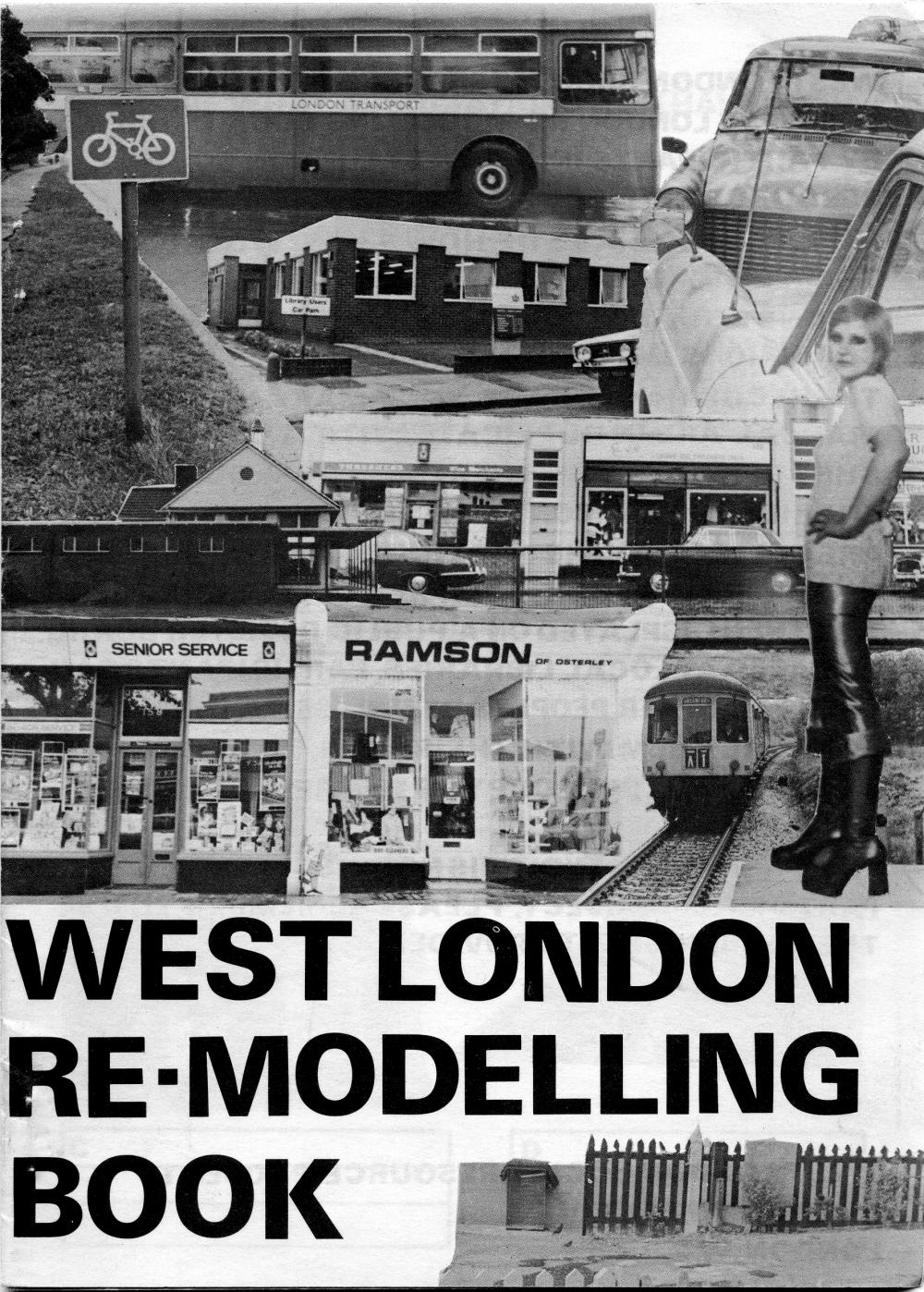
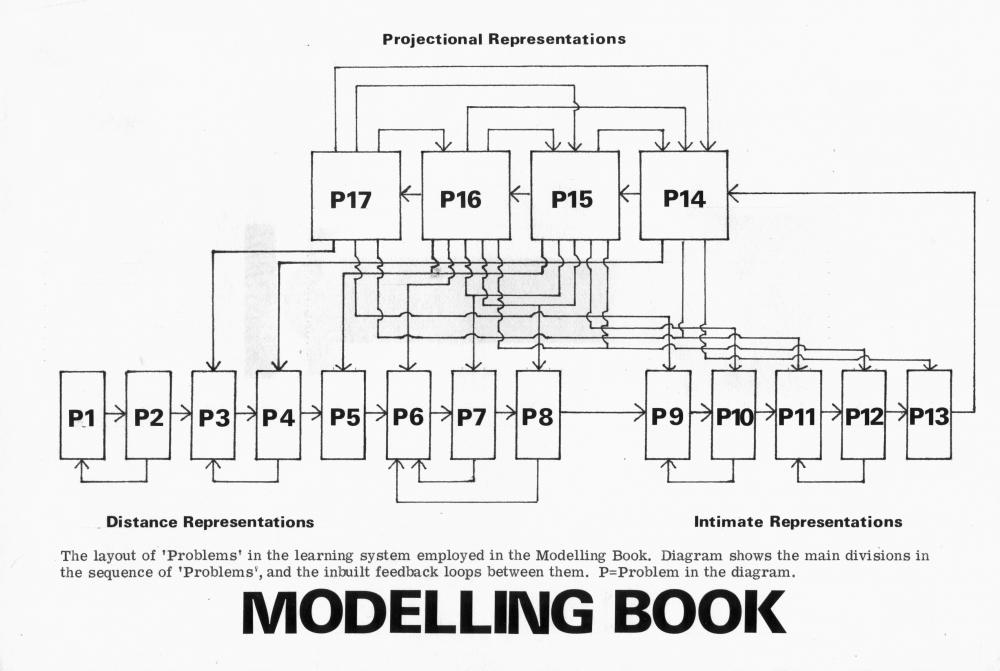
Ausgehend von einem Verständnis von Kunst als Kommunikationsform schuf der britische Künstler Stephen Willats mit seinen Modelling Books ein künstlerisches Medium, mittels dessen er das Beziehungsgeflecht zwischen Künstler*in, Kunstwerk, Publikum und Gesellschaft im Rahmen partizipatorischer Aktionen neu definierte.
Stephen Willats uses books as tools to engage with people, and to create social spaces for relation and interaction in neighborhoods, museums, and bookshops. This republished essay from 1975 gains currency in the context of current discussions on audience and outlines an interactive approach that avoids the demand or authoritarian imperative to respond and redefines the artwork as a network of relationships between artists, audiences and society, framed by participatory action.
The late Mark Fisher, arguably the most important cultural critic to emerge from the UK in the last two decades, explored the psychic, emotional dimensions of politics, forcefully arguing that contemporary mental health crises are the product of political conditioning. His work provides a set of critical tools for understanding the motivating passions and affective fallout of Brexit, Trump’s Presidency and the rise of the European Far Right, not so much as ruptures within the smooth functioning edifice of liberal order but rather as symptoms of neoliberal capitalism and the deflated political subjectivities it both cultivates and relies upon. Fisher argues that under neoliberal conditions public institutions – including universities, broadcasters and museums – have become beholden to a punitive, restrictive managerialism leading many to reject them as sites for radical political activity and desire. However, Fisher argues, that spurning public institutions as inherently corrupt accepts the ideological ruse that there is no other path than neoliberalism and overlooks the possibility for alternative modes of organisation to release the radical potential locked dormant within them.
Der Comic ist eine Replik auf die Ausstellungsbesprechung «Tobias Kaspars Unabhängigkeit» von Inka Meißner, die anlässlich der Ausstellung «Independence» (2018) in der Kunsthalle Bern auf Brand-New-Life veröffentlicht wurde. Der Titel zitiert eine Passage aus Stephan Geenes ebenfalls auf Brand-New-Life veröffentlichtem Text «the gift of critical insight».
Ein Berufskollege hat mich letzte Woche als Sekretärin bezeichnet. Zwei Tage später wird mein Postdoc-Projekt zu einer Masterarbeit degradiert. Solche beiläufigen ‹Verwechslungen› zielen darauf ab, alte Geschlechterordnungen wieder herzustellen. Dies ist eine Wutschrift mit optimistischem Ausblick.