«Criticality» is important in the art world, maybe even indispensable. «Criticism», not so much. The days in which a Clement Greenberg could canonize or curse an artist's career are long gone. Could it be that it's time for journals to go back to publishing anonymous criticism?
What if – contrary to all carefully constructed appearances – the problem in neo-liberal culture is that there isn’t enough management? Although neo-liberalism presents itself as an economic programme, it is better understood as a massive control apparatus designed to thwart the democratic socialist and libertarian communist experiments that effloresced in the late 1960s and early 1970s. The systemic anti-productive inefficiency engendered by neo-liberal managerialism is neither a mistake nor a failure: it has precisely succeeded in its aim of producing a generalised resubordination of workers, and a disabling of former «red bases» such as universities and art colleges. The route to overcoming this consists neither in the (capitalist) realist accommodation to managerialism nor in the fantasy of exit from institutions. Democratic socialism has always been about the promise of a better managed society (where management is precisely not synonymous with top-down control). In order to assert democratic control over our lives and work, we must therefore reclaim management from managerialism.
In his long-term artistic project Theatrum Botanicum, Uriel Orlow considers plants as actors on a political stage: protagonists of colonial trade, flower diplomacy, or bio-piracy. As such, they serve as a prism through which environmental colonial history can be re-negotiated. Theatrum Botanicum can be read as an attempt to decolonize both, history and nature. And for decolonizing nature, it is crucial how plants are considered as acting and living beings. If they tell stories about colonialism, how are they brought to speak?
In seinem 1991 für die Zeitschrift A.N.Y.P. entstandenen Text fordert Stephan Geene eine Kunstkritik ein, die sich nicht in der nachträglichen Interpretation erschöpft, sondern vielmehr neue Kunst hervorbringt; eine Kritik, die die rein analytische Ebene verlässt und direkt auf die Veränderung bestehender Verhältnisse zielt.
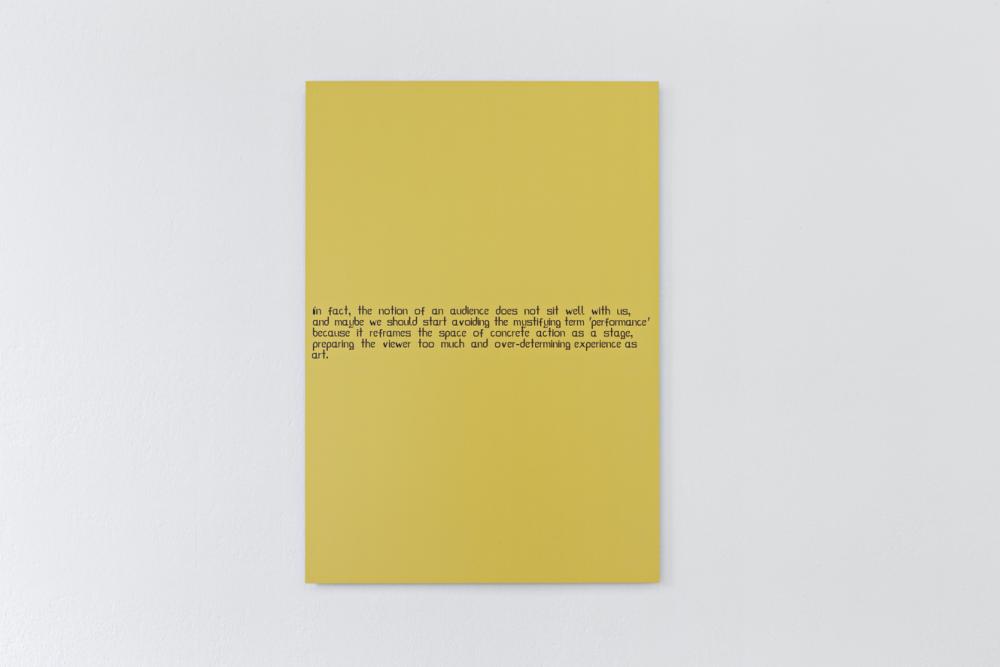
Dès lors que l’on envisage l’art contemporain comme une activité culturelle, l’on a tendance à intégrer la performance comme ce qui offre une alternance au format de l’exposition en venant rythmer, par sa dimension événementielle, un programme. Par une série de stratégies appropriées, et notamment par ce que nous nommerons la programmation de la performance, Contradictory Statements, la proposition de Selina Grüter et Michèle Graf pour Fri Art, prend le contre-pied d’une tendance qui oppose dialectiquement la performance à l’exposition, comme le vivant s’oppose au mort.
Hochstapler*innen gelten seit 1900 und bis heute als ‹männliche›, leicht sonderbare, tendenziell wahnsinnige, auszugrenzende, im Zweifelsfall zu bestrafende und zu disziplinierende fiktive ‹Figuren des Anderen›. Nicht von dieser Welt. Nichts, was mit uns und unserem Selbst zu tun haben darf. Dabei sind sie uns sehr nah. Und könnten dem Subjekt Frau möglicherweise sogar hilfreich sein. An den Grenzen des etablierten ‹Seins›.
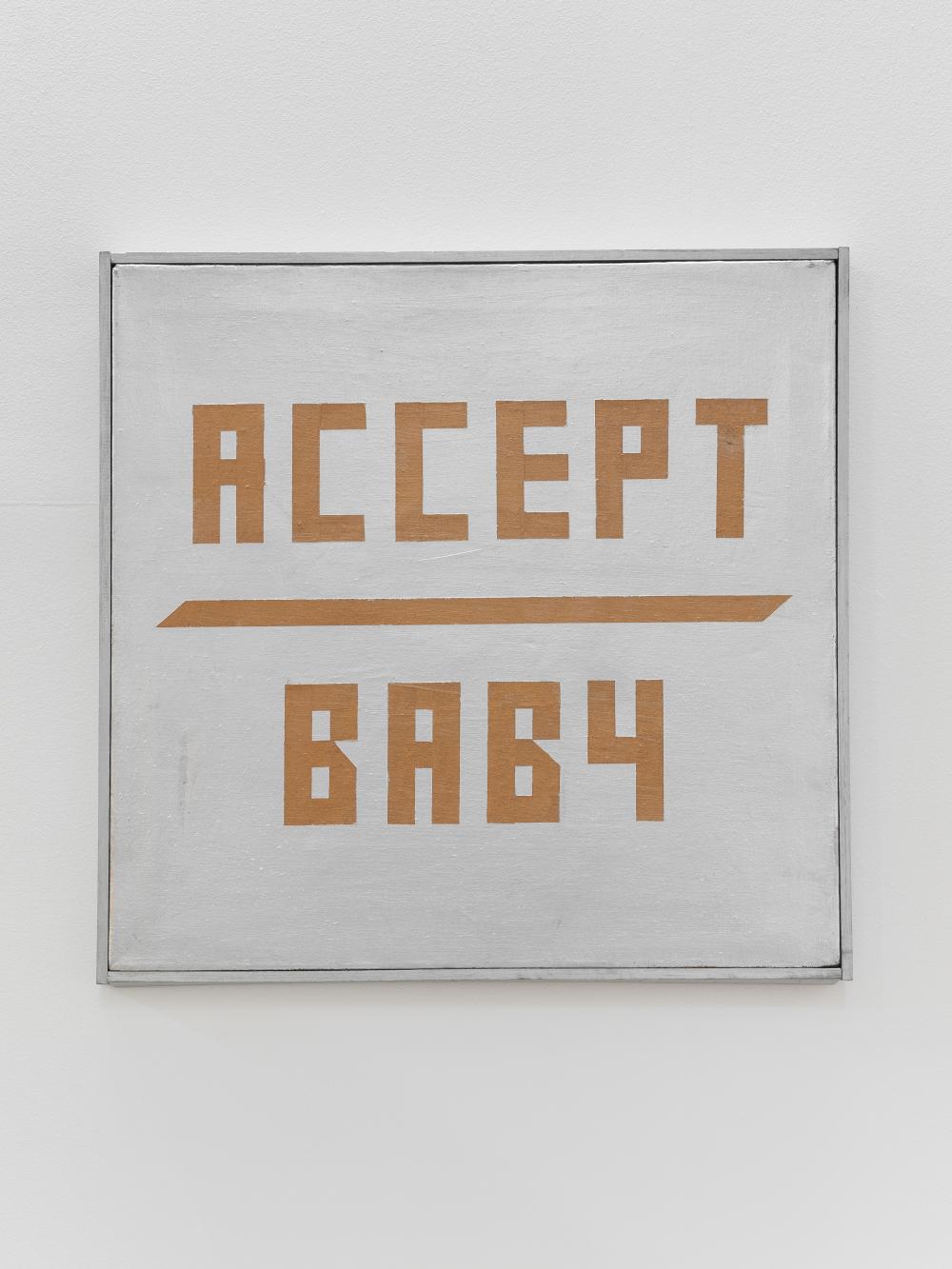
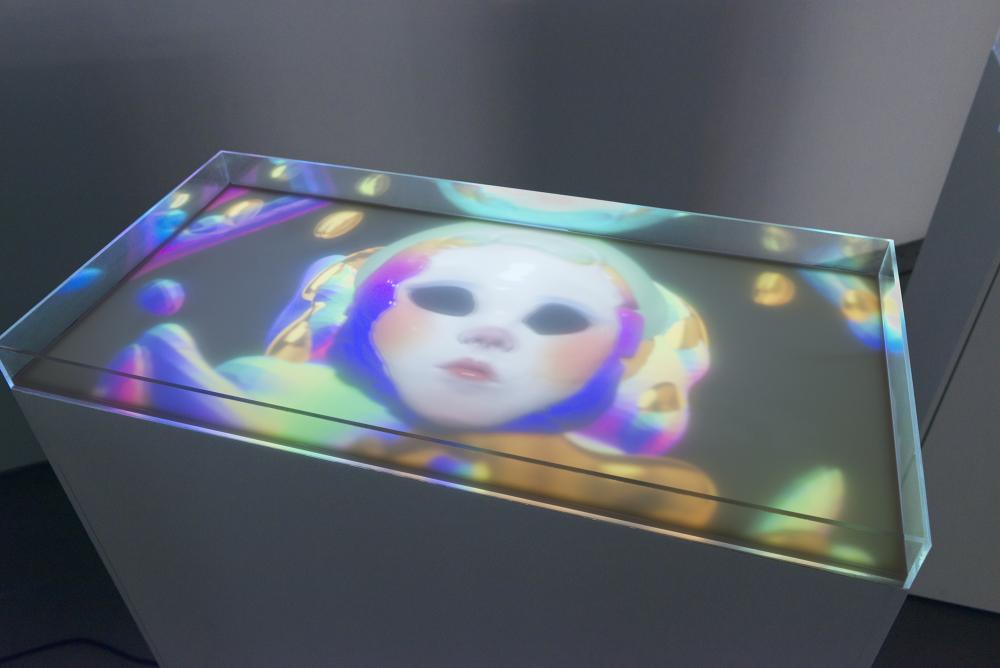
Accept Baby is the second part of an exhibition series at Forde in Geneva taking on the relationship between art and desire, focusing especially on the artist as creative persona. Subjectivity, authenticity, interiority—the themes approached are vast, their preconceptions embedded in the legacy of modern art discourse. The causality that prevailed between artwork as expression of subjectivity, a causality rigidified in the writing of art history, seems to be toyed with in these works.
Kürzlich traf ich in Basel eine alte Bekannte. Sie erzählte von der «emotionalen, sexuellen und familiären» Neuverhandlung ihrer selbst in der Zukunft unserer Beziehungen. Von «alternativen Reproduktionsweisen der Biotechnologie» im Kontext von «Geschlecht» und «Familie». Sowie von «künstlichen Körpern» und unseren «Wechselbeziehungen» mit ihnen. Im Folgenden eine Replik.
Picking up on Andrea Fraser & Helmut Draxler's Services, which addressed questions of labor in the art field, Ramaya Tegegne invited Stephan Dillemuth, one of the participants of the working-group meetings inaugurating the 1994 project, to take part in a public discussion about current perspectives departing from this event. This conversation took place on November 10th, 2017 in the framework of the exhibition Szenen über Services und Kapitalien by the two artists at Up State in Zurich, as well as the initiative Wages for Wages Against carrying forward the debate on fees in return for artistic services within Switzerland.
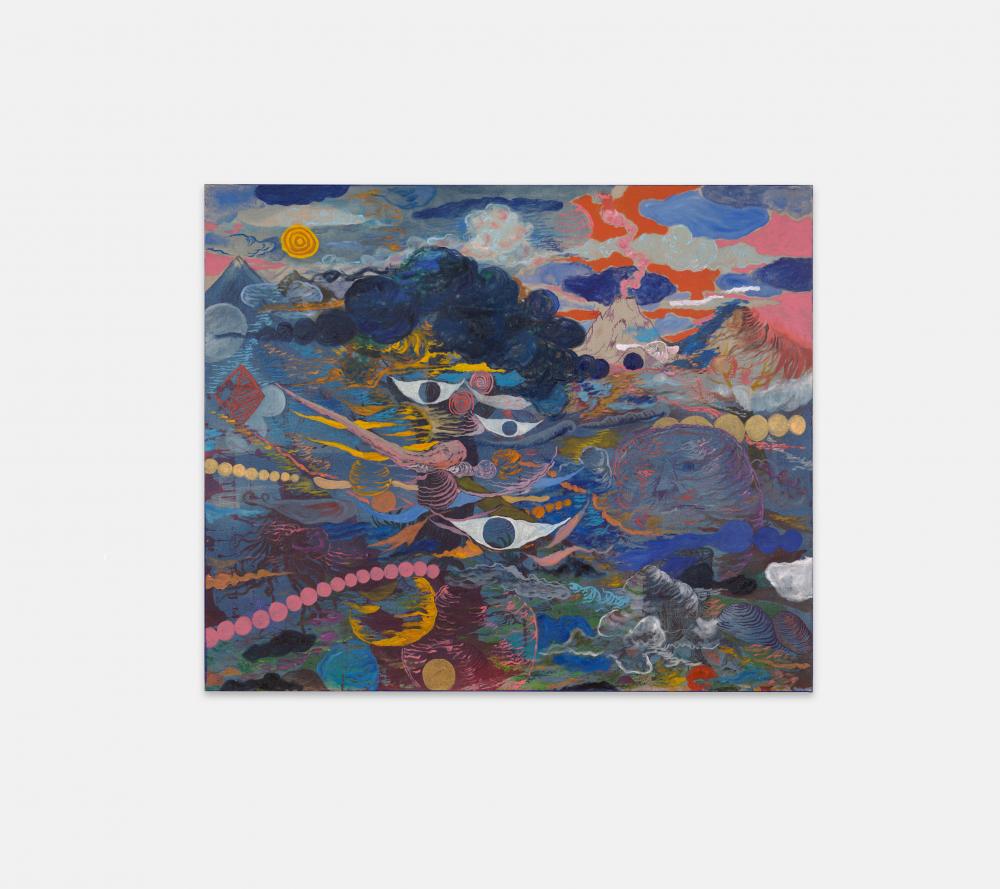
The landscapes of Abel Auer center on figures, flora, and various symbolist paraphernalia roaming in ‹out there› topographies. His exhibition at Galerie Kirchgasse, titled Schatten meiner Selbst (Shadow[s] of Myself), evokes the concept of the shadow in analytical psychology. Being aware of one’s own shadow is probably a good thing. The train of thought of the following review stretches across generations from the nineteenth century to the present, from landscape painting to mountaineering and, in the process, reflects on a psychedelic connection between the Himalayas and the Alps.
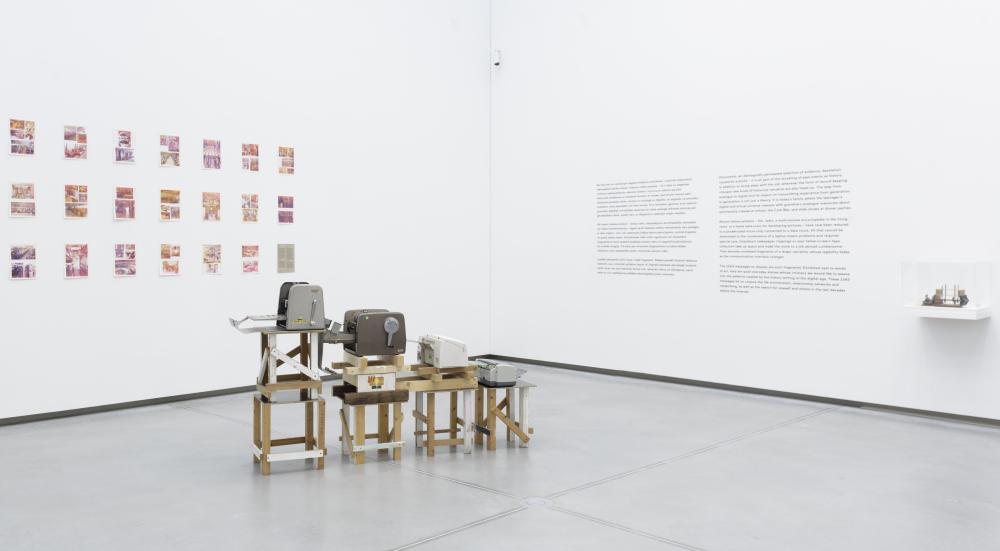
The show You’ve Got 1243 Unread Messages at the Latvian Center for Contemporary Art deals with media before the internet, their materiality and potential as well as their restraints. It outlines artistic, political and personal strategies with economic and political interests mirrored in the media.
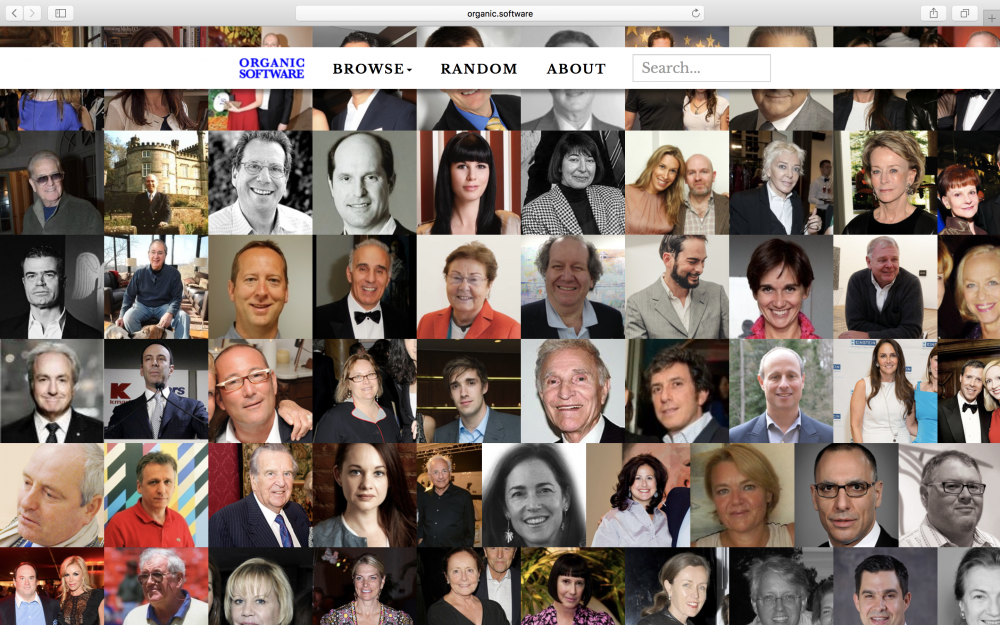
On February 13, an anonymous petition called for the reinstatement of Beatrix Ruf as director of the Stedelijk Museum. The petition comes at a time when further investigations into the affair have not yet yielded any results that could shed some light on the current level of autonomy of public institutions in general—an issue that, in fact, begs debate.
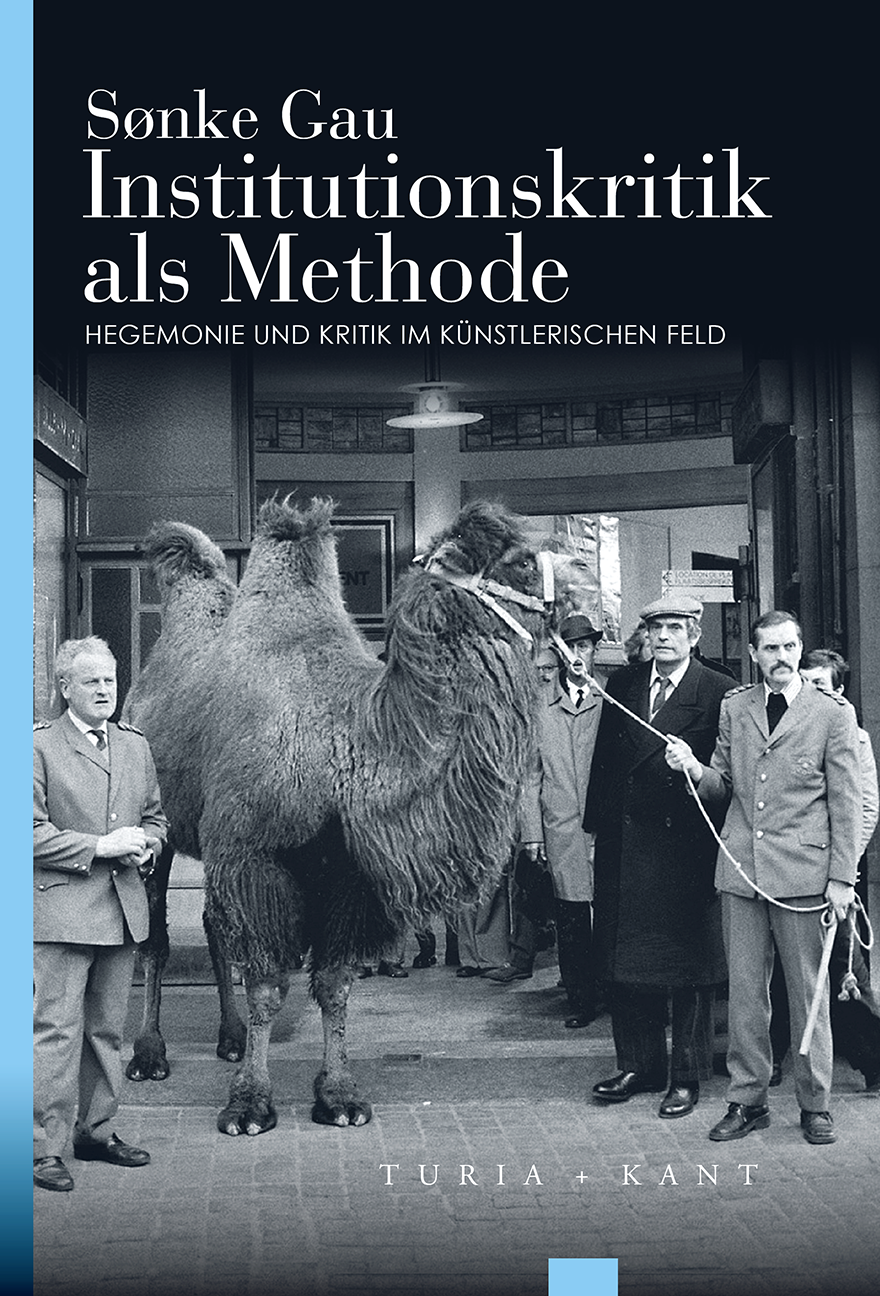
Sønke Gau will mit seiner Schrift die aktuelle Rezeption von Institutionskritik aus den ‹Fallen›, in denen sie sich verheddert hat, herausführen. Dagegen behauptet er institutionskritische Vorgehen als Methode, die weiterhin imstande sind, den zur Dominanz neigenden Strukturen die Stirn zu bieten. Sein Postulat dafür, Institutionskritik radikal kontextuell zu denken, droht jedoch in der umfangreichen – wenn auch kritischen – Würdigung grosser Namen fast zu verschwinden.
Nadine Wietlisbach im Gespräch darüber, was es bedeutet, die erste Direktorin in der Geschichte des Fotomuseum Winterthur zu sein und wie sie die Fotografinnen findet, die sie in Zukunft ausstellen möchte.
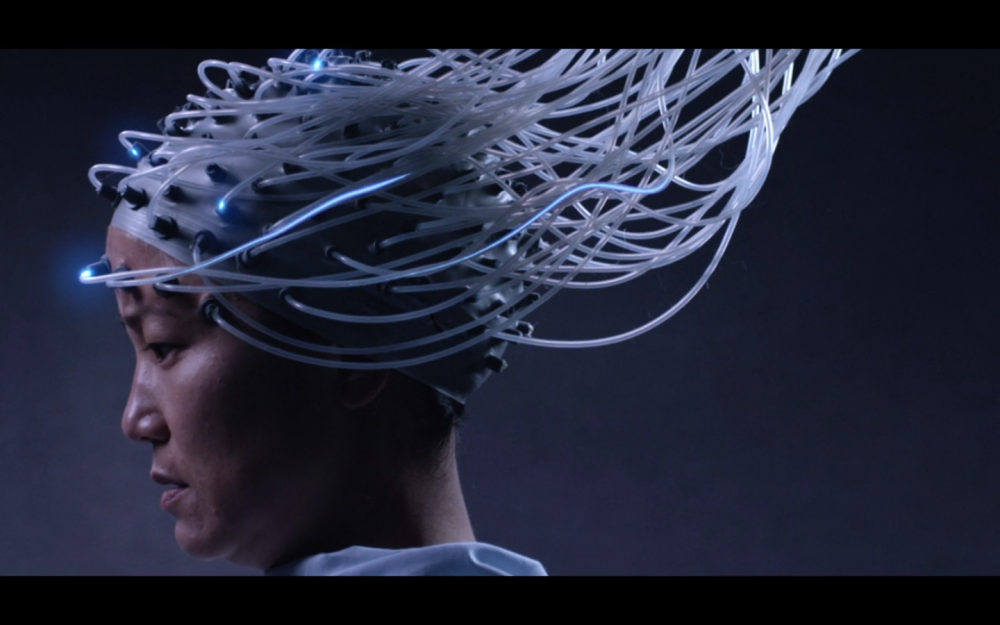
Advantageous (2015) and Sleep Dealer (2008) are two recent indie science fiction films evoking themes such as economic hardship, corporate greed, and the privatization of education. Advantageous takes place in an unspecified North American megacity, while Sleep Dealer’s main location is Tijuana in Mexico. The characters in both films live in an economic regime that pushes them towards challenging decisions.
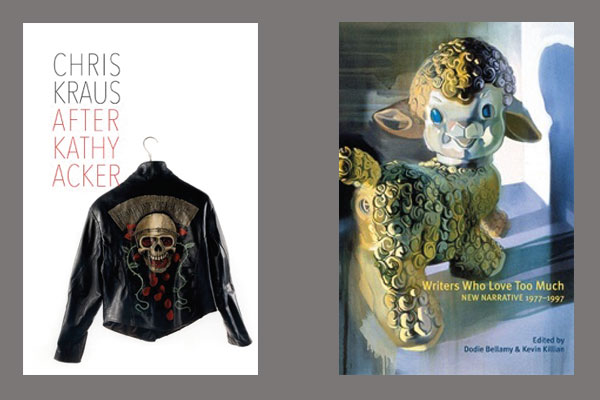
Exploring narrative through an unfailingly complex prism of the self and bending it through a conceptualist framework, New Narrative produced stories likely to overshare and talk too much while addressing the meta-texts and sub-texts of a body-and self-obsessed writing, intertwining theory with gossip and the messiness of being a body and a mind. Two books published in 2017 set out, each in their own way, to map the relational topography such writing derived from: Chris Kraus' After Kathy Acker (2017) traces Acker's path to and within writing, the pirating it partly built upon, while returning the question of writing and entanglement to the biographer. The anthology Writers Who Love Too Much (2017) assembles texts from over 40 contributors (including Acker and Kraus) that continually re-formed New Narrative over a twenty-year period.
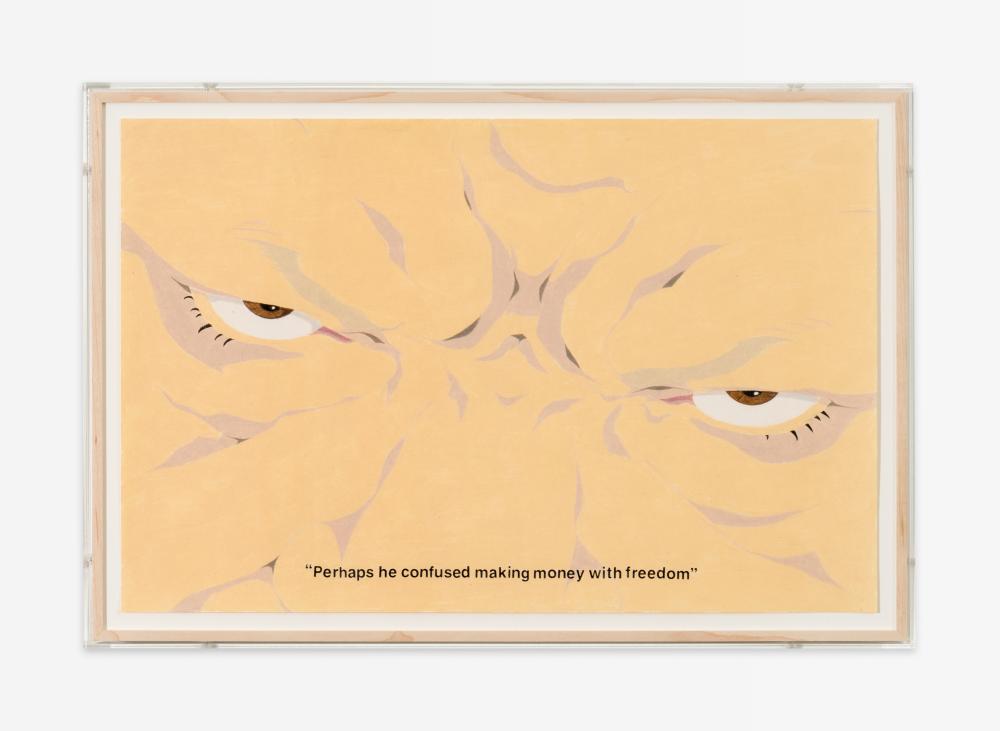
Einige Ereignisse werfen ihren Schatten voraus, sagt man. Noch passiert nichts – man ahnte es aber schon, zumindest rückblickend. Welche Ereignisse es in diesem neuen Jahr sein mögen, sei vorerst dahingestellt. Was im vergangenen Jahr 2017 hingegen hätte geahnt werden können, das lesen wir nicht aus dem Satz des Silvesterkaterkaffees, sondern aus der Soloshow Shadow of the Problem as Such des jungen Amerikaners Sam Pulitzer (geboren im omenhaften 1984) in der Galerie Francesca Pia in Zürich.
«Sie werden noch an mich denken.» Das hat eine Kursleiterin zu mir gesagt. Ihren Kurs musste ich besuchen, weil meine Betreuerin beim Zürcher RAV (Regionales Arbeitsvermittlungszentrum) fand, dass mit mir etwas gehen müsse. Ich nahm also teil an einem Kurs, in dem ich meine Bewerbungsunterlagen und -skills zu optimieren lernte.
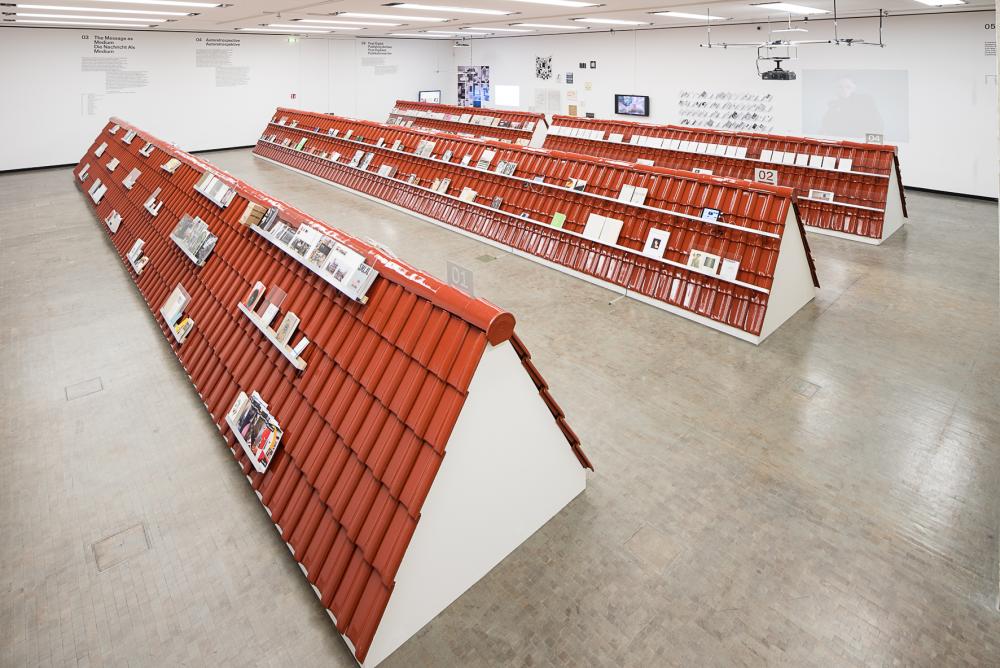
Die Ausstellung Publishing as an Artistic Toolbox: 1989–2017 versammelt eine Reihe von Publikationsprojekten, die um eine Erweiterung des Rahmens von Ausstellungen bemüht sind. Mit ihrem Vorhaben, publizistische künstlerische Praxen seit 1989 zu indexieren, wirkt sie solchen Strategien der Entgrenzung jedoch entgegen. Von den Büchern bleibt dabei nicht viel übrig.